
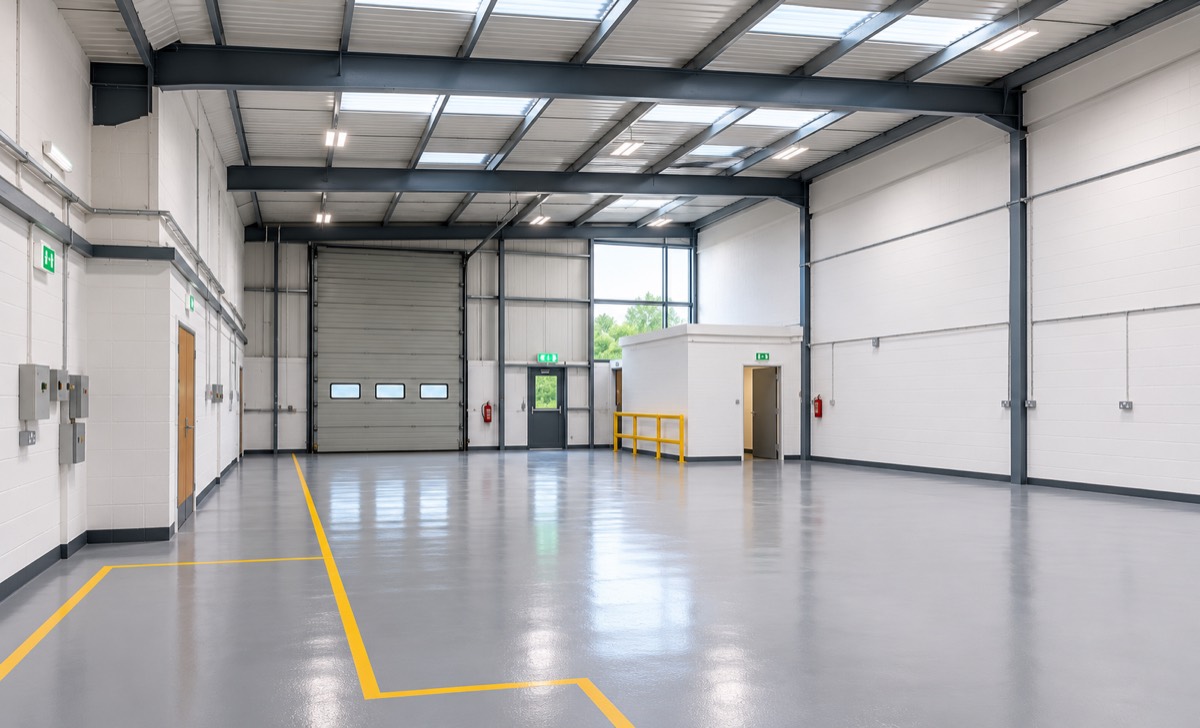
Buying a commercial property can be an exciting time. Whether you’re acquiring a warehouse in Cheltenham, investing in office space in Gloucester, purchasing a retail unit in Cirencester or expanding your portfolio elsewhere in Gloucestershire, the right property can deliver long-term value and income and be the next stage in the growth of your business.
However, commercial property transactions also carry risk.
Many costly building defects remain hidden during viewings and may only become apparent after completion. By that point, the responsibility – and the repair bill – often falls to the new owner.
At Ashstep Surveys, we regularly inspect commercial properties across Gloucestershire and frequently identify issues that could have a significant impact on a buyer’s investment decision. Our findings have helped clients renegotiate purchase prices, budget for future works or avoid problematic acquisitions altogether.
Here are 10 common commercial building defects every buyer should be aware of before committing to a purchase.
1. Roof Defects and Water Ingress
Industry data shows that over 40% of commercial buildings experience a roof leak each year.
The roof is also often one of the most expensive building elements to repair or replace, given that access is not always easy.
Common issues include:
- Damaged roof coverings
- Failed flashings
- Ponding water on flat roofs
- Blocked gutters and drainage outlets
- Water penetration through joints and penetrations
A leaking roof may seem minor initially, but over time it can damage insulation, ceilings, internal finishes and even structural elements. In industrial buildings and warehouses, roof replacement projects can quickly run into tens of thousands of pounds.
Roof defects are the main reason why Drone Roof Surveys are becoming increasingly popular as part of commercial property due diligence. They provide a safe and cost-effective way to assess areas that would otherwise be difficult to inspect.
2. Structural Cracking and Movement
Not all cracks indicate structural problems, but some certainly can. Commercial surveyors look for:
- Settlement cracks
- Structural movement
- Subsidence indicators
- Distorted openings
- Differential movement between building elements
Structural repairs can be costly and may also affect financing, insurance and future saleability. Understanding whether movement is historic, ongoing or potentially serious is a crucial part of pre-acquisition due diligence and not for the untrained eye.
3. Hidden Damp Problems
Damp is not just a residential property issue. Commercial buildings can suffer from:
- Penetrating damp
- Rising damp
- Condensation problems
- Roof-related moisture ingress
- Defective rainwater goods
Damp can damage finishes, reduce occupier comfort and lead to mould growth or timber decay if left unresolved.
4. Deteriorating Cladding Systems
Many industrial and commercial properties throughout Gloucestershire feature metal, composite or rendered cladding systems.
The average life of a cladded wall system in a UK commercial property is generally 25 to 50 years. However, this varies significantly by material, ranging from 15 years for untreated timber to over 50 years for brickwork or fibre-cement.
Problems can include:
- Corrosion
- Impact damage
- Failed fixings
- Water penetration
- Thermal performance issues
Replacement or remedial works can be expensive, particularly on larger industrial premises as well as being very disruptive operationally.
5. Defective Drainage Systems
Drainage issues are often overlooked during property viewings. Warning signs may include:
- Standing water
- Blocked drainage runs
- Damaged inspection chambers
- Poor site drainage
- Flooding risks
Left unresolved, drainage defects can result in ongoing maintenance costs and operational disruption.
6. Asbestos-Containing Materials
Although asbestos use was prohibited in the UK many years ago, asbestos-containing materials remain present in many older commercial properties. Potential locations include:
- Roofing materials
- Ceiling tiles
- Insulation products
- Wall panels
- Pipe insulation
The presence of asbestos does not necessarily prevent a purchase, but buyers should understand the management and potential removal obligations involved.
7. Ageing Mechanical and Electrical Installations
Commercial buildings often contain services that may be approaching the end of their operational life. These can include:
- Electrical installations
- Heating systems
- Air conditioning equipment
- Ventilation systems
- Fire alarm systems
Replacement costs can significantly affect future budgets and investment returns. A building may appear attractive externally while concealing substantial expenditure requirements within its services infrastructure.
8. Poor or Sub-Standard Previous Repairs
One of the most common findings during commercial property surveys is evidence of inadequate or poorly executed repair work. Examples include:
- Inappropriate patch repairs
- Poor-quality roofing repairs
- Unsuitable replacement materials
- Cosmetic repairs concealing defects
These issues can create a false impression of condition and may result in more extensive repairs later.
9. Deferred Maintenance
Deferred maintenance is particularly common in investment properties and older commercial buildings. Examples include:
- External decorations overdue
- Roof maintenance neglected
- Deteriorating building fabric
- Failing sealants and joints
- General wear and tear
While no single issue may appear significant, cumulative maintenance backlogs can create substantial future liabilities.
10. Energy Efficiency and Compliance Concerns
Increasing regulation means buyers should carefully consider the energy performance of commercial buildings. Under the Minimum Energy Efficiency Standards (MEES) regulations, it is unlawful to let or renew a lease on a commercial property with an EPC rating of F or G. All leased commercial properties must meet a minimum rating of E or higher.
Issues may include:
- Poor EPC ratings
- Outdated building fabric
- Inefficient glazing
- Inadequate insulation
- Future compliance risks
Improving energy performance can involve significant capital expenditure, particularly in older buildings.
Why Commercial Property Viewings Aren’t Enough
Even experienced property investors can struggle to identify defects during a viewing. A property may appear well maintained while concealing issues that require significant expenditure after completion.
Viewings are useful for assessing suitability and location, but they rarely provide the level of technical insight needed to fully understand a building’s condition.
A professional survey helps uncover:
- Hidden defects
- Repair liabilities
- Maintenance backlogs
- Compliance concerns
- Future expenditure requirements
Most importantly, it provides the information needed to make informed decisions before contracts are exchanged.
Protect Your Investment Before You Buy
Commercial property purchases involve substantial financial commitments. The last thing any buyer wants is to inherit unexpected repair bills, hidden defects or future liabilities.
A professional Pre-Acquisition Survey can provide the information needed to make confident decisions and avoid costly surprises.
At Ashstep Surveys, we help commercial property buyers, investors, landlords and occupiers across Gloucestershire understand exactly what they are purchasing before contracts are exchanged.
Frequently Asked Questions
What are the most common defects found in commercial properties?
Roof defects, structural movement, damp issues, drainage problems, ageing building services and deferred maintenance are among the most common issues identified during commercial surveys.
Is a commercial building survey worth the cost?
In most cases, yes. The cost of a survey is often small compared to the potential cost of uncovering significant defects after purchase.
Can a survey help reduce the purchase price?
Potentially. Significant defects identified during a survey may provide grounds for renegotiation or allow buyers to budget more accurately for future works.
Should I get a survey before buying a warehouse or industrial unit?
Absolutely. Industrial properties can conceal expensive defects relating to roofs, cladding, drainage systems and structural elements.
What happens if defects are discovered?
The findings can help inform your decision to proceed, renegotiate terms, budget for repairs or commission further specialist investigations.